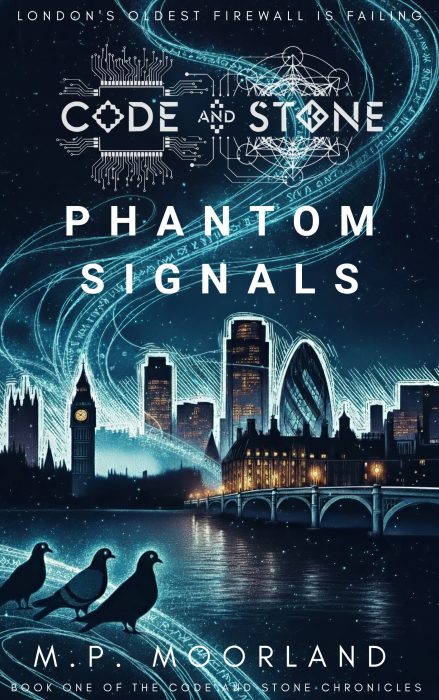
One of the reasons I love writing urban fantasy is that the real world already does half the work for you.
London doesn’t need much embellishment. Spend enough time exploring it and you’ll discover Roman ruins beneath office blocks, forgotten churches tucked between skyscrapers, and streets that seem to remember lives lived centuries ago.
When I started writing Code & Stone: Phantom Signals, I wanted the story to feel deeply rooted in a recognisable London. The supernatural elements may be fictional, but many of the places that inspired the novel are very real.
Here are three London locations that helped shape the world of Phantom Signals.
Westminster Station
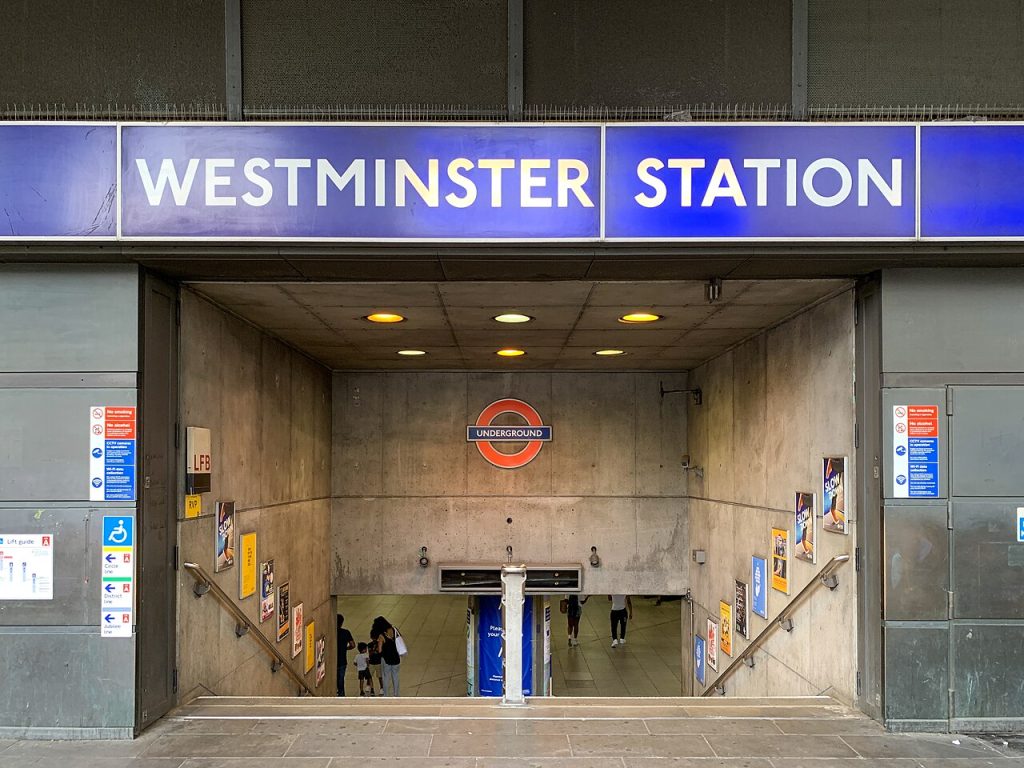
The story begins at Westminster Station.
Millions of people pass through its gates every year, usually without giving much thought to what lies beneath the surface. Yet Westminster has always felt different to me. The vast concrete spaces, the deep escalators disappearing underground and the station’s striking industrial architecture create an environment that feels both impressive and strangely unsettling.
What makes Westminster particularly fascinating is its position at the heart of British political life. Above ground sit Parliament, Whitehall and Westminster Abbey. Beneath them lies a complex network of tunnels, platforms and infrastructure that most people never see.
Once I’d spent time exploring the station, it became impossible not to imagine what else might exist just beyond the walls commuters pass every day without noticing.
For a novel about hidden systems, unseen forces and mysteries lurking beneath everyday life, it was the perfect place to begin.
55 Broadway
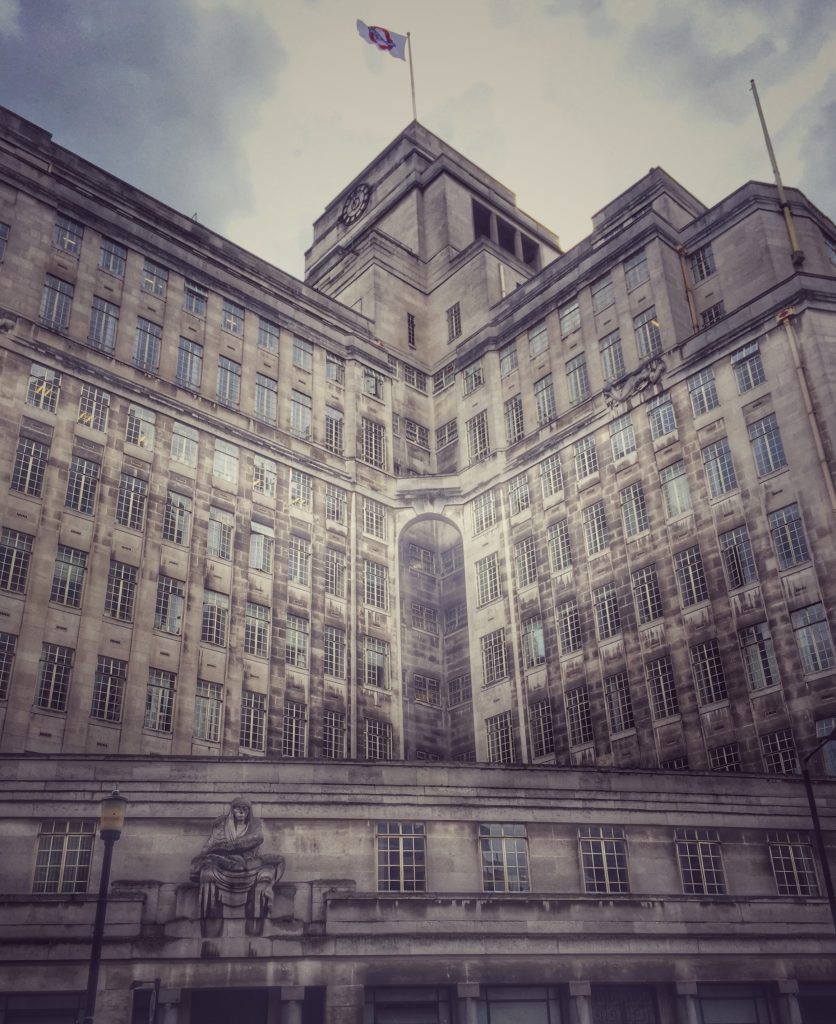
Many Londoners stroll past 55 Broadway without realising how remarkable the building is.
Located directly above St James’s Park Underground Station, it was completed in 1929 as the headquarters of London Transport and remains one of London’s finest examples of Art Deco architecture.
Its commanding presence, unusual sculptures and rich history immediately caught my attention during my research. Its pale Portland stone, imposing symmetry and enigmatic rooftop sculptures give it the confidence of a building that’s been keeping secrets for nearly a century. The kind of place where important decisions have been made for decades behind closed doors.
That atmosphere made it a natural inspiration for one of the novel’s most significant locations. Without giving too much away, some organisations operate far from public view, and they need headquarters every bit as distinctive as the work they undertake.
The South Bank
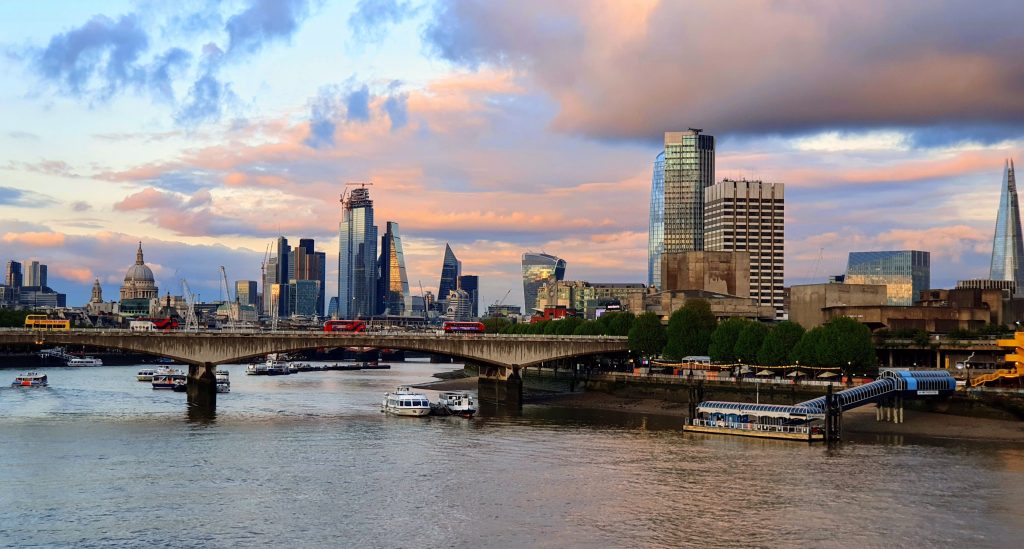
The South Bank captures something I love about London.
Whenever I walk along the South Bank, I’m reminded why London makes such a compelling setting for urban fantasy set in London. Within a few minutes, you can pass Shakespeare’s Globe, the National Theatre, Victorian bridges, brutalist architecture, and street performers entertaining tourists. Each generation has left its mark.
The Thames has shaped London’s history for centuries. Trade, industry, migration and culture have all flowed along its banks, leaving traces behind. Every generation adds another layer to the city.
That sense of accumulated history became one of the ideas at the heart of the novel. It explores the idea that cities remember more than we realise, and nowhere embodies that feeling quite like the South Bank.
A City Built on Stories
One of the reasons I chose London as the setting for the Code & Stone series is that the city already feels like an urban fantasy world waiting to happen.
Its streets are full of hidden histories, forgotten corners, and curious details, which most of us pass every day without noticing. The challenge wasn’t inventing a fantastical setting. It was looking at London and asking what might already be hiding there.
If you’re interested in the London inspiration behind Code & Stone, these are only the beginning. Every book in the series draws on real places, histories, and folklore, blending them with the hidden world that Stephen Harris discovers beneath the city.
Phantom Signals simply asks one question:
What if London’s hidden systems were far older and far more important than anyone realised?